
A recommendation can open a conversation or accidentally create homework. Telling a friend that you liked a game’s sound or artwork leaves room for their taste. Asking them to match your balance sets a different expectation. Shared social gaming works best when everyone understands the invitation, including the option to watch, talk or pass this time.
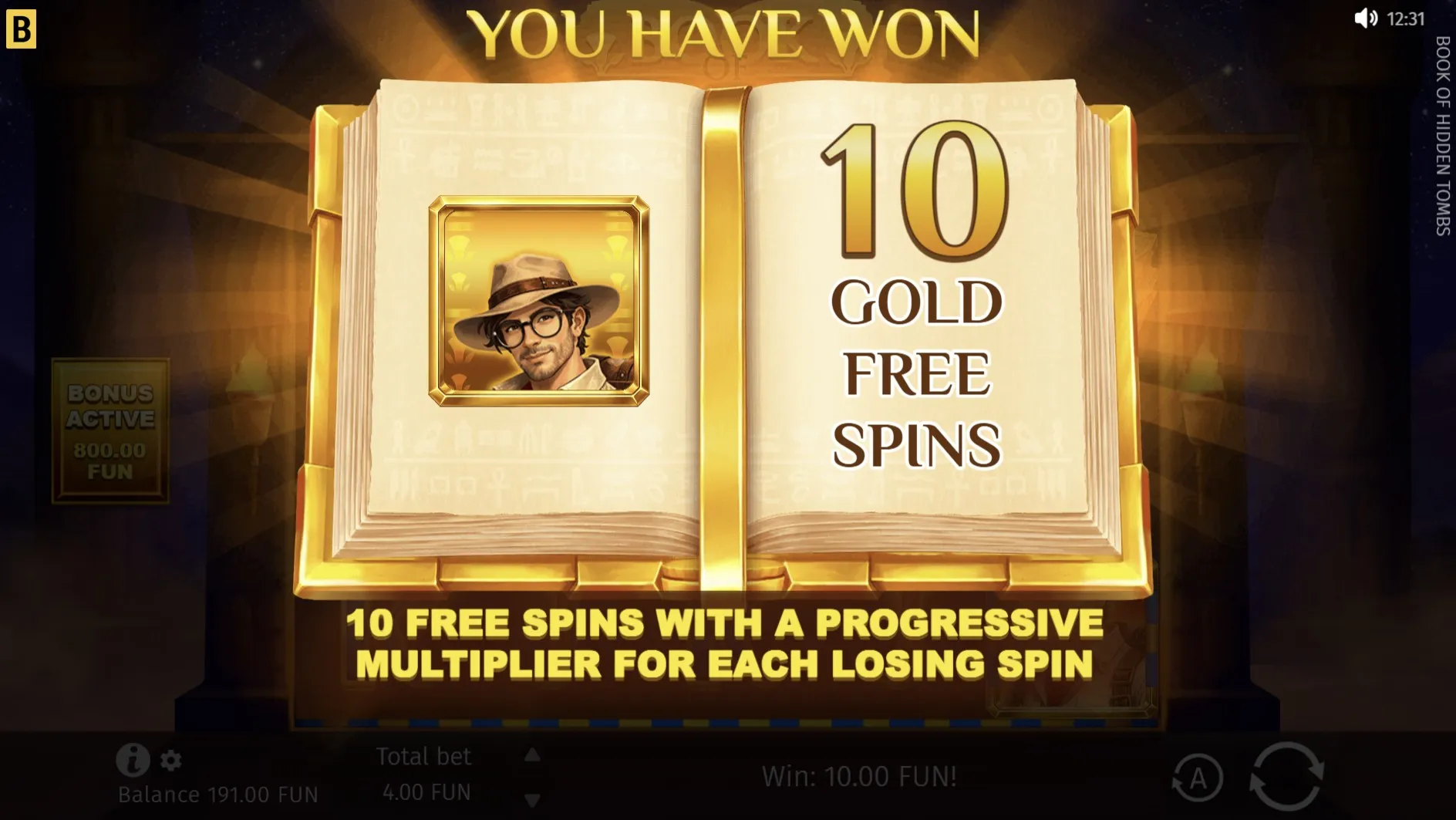
Say what you enjoyed, then leave room
Be specific about what you are suggesting. Perhaps the theme made you laugh, the buttons were easy to read or the help panel explained a feature clearly. Those observations tell a friend something they can use. A screenshot of a large virtual return says much less about whether they will enjoy the pace, sounds or style of the game.
The site describes its games as free entertainment for adults. That is useful context for an invitation, but it is not a reason to assume that everyone wants to participate. Someone may enjoy your company while preferring a different activity. Give them that choice before opening a game, and avoid asking them to justify a simple refusal.
Build an invitation in three steps
- Describe one feature you liked without promising similar results.
- Suggest a short time together and say that watching is welcome.
- Agree that changing the activity needs no special reason.
For a September 2026 catch-up, there is no need to invent a challenge or keep a permanent record. Shared social gaming can be as small as comparing two themes over a conversation. A person who has played often can explain where a setting lives, while a newcomer can point out a label that the regular player stopped noticing long ago.
Choose a format that fits the company
| Format | Helpful agreement |
|---|---|
| One shared screen | Ask before taking a turn or touching a control. |
| Separate devices | Keep conversation ahead of matching progress. |
| Watching together | Explain when asked and leave space for questions. |
A shared screen does not have to mean shared control. The person holding the device should know when a turn is ending and who is taking over. Avoid reaching across to press a button for someone else, even when the next step seems obvious. Describing the control and waiting for a response keeps the learner involved in the decision.
Separate devices bring a different problem: two people may use different settings, begin with different virtual balances or open different game versions. Comparing totals without that context can turn a relaxed exchange into a misleading contest. Shared social gaming needs no common scoreboard; compare what you noticed about the experience instead.
- Ask before sharing a friend’s screen or personal information.
- Let spectators join the conversation without taking a turn.
- Keep explanations short enough for another person to respond.
Make the ending easy to recognise
Choose a stopping cue that belongs to the evening rather than the game: a planned meal, the end of a catch-up or a time agreed beforehand. Waiting for a particular feature makes the finish uncertain. If someone wants to leave sooner, thank them for the company. Their departure does not need to become a vote on whether everyone else stops.
When the conversation becomes mostly instructions to continue, pause and ask what the group wants from the next few minutes. You may decide to talk with the screens put away. That is still a successful gathering. The point of shared social gaming is the shared time; preserving a streak or repeating somebody else’s result is optional at best.
For questions about a confusing title or balance, our guide to changing game names offers a reading order. If a call interrupts play, the phone interruption guide explains how to look at the returning screen before anyone taps again.
Author’s opinion
I prefer recommendations that sound like a personal observation, not a task to complete. Tell me what surprised you, then let me decide whether to try it. The best shared social gaming evening, in my view, leaves nobody apologising for a lower balance, an unanswered invitation or an early finish. Good company should make our choices feel wider. — Mirabel Aster Cleeve